All Posts
0 posts
Cardiovascular Disease: Types, Etiology, Diagnosis, Treatment & Prevention
Cardiovascular disease is a group of diseases affecting your heart and blood vessels. These diseases can affect one or many parts of your heart and/or blood vessels. A person may be symptomatic (physically experiencing the disease) or asymptomatic (not feeling anything at all).
Clinical Pharmacy
Pathophysiology and Therapeutics of Cardiovascular Diseases (CVDs)
Heart attacks and strokes are usually acute events and are mainly caused by a blockage that prevents blood from flowing to the heart or brain. The most common reason for this is a build-up of fatty deposits on the inner walls of the blood vessels that supply the heart or brain. Strokes can be caused by bleeding from a blood vessel in the brain or from blood clots.
Clinical Pharmacy
Pathophysiology and Therapeutics: Infectious Diseases
Infectious diseases are diseases in which tissue damage or dysfunction is produced by microorganisms.
Despite the availability and use of effective vaccines and antibiotics, and improvement in sanitation, infectious diseases remain an important health problem worldwide.
Clinical Pharmacy
Overview of Infectious Diseases
Pathogenesis: Reflects the relationship among the human host, the infectious agent, and the external environment. Infection occurs when an exogenous agent enters a host or when an endogenous agent overcomes innate immunity.
Clinical Pharmacy
Pathophysiology and Classification of Kidney Diseases
CKD affects 10-15% of adults in Western countries, with ~26 million in the USA classified as having CKD and another 20 million at increased risk. CKD is a major independent risk factor for cardiovascular morbidity and mortality.
Clinical Pharmacy
Lifecycle Approach to Process Validation
The lifecycle approach to Process Validation (PV) represents a paradigm shift from the traditional "three-batch" approach to a science and risk-based methodology that spans the entire product lifecycle. This approach aligns with ICH guidelines Q8 (Pharmaceutical Development), Q9 (Quality Risk Management), and Q10 (Pharmaceutical Quality System).
Validation
Pathophysiology of Nervous System
Neural circuits typically begin with a receptor that transduces a stimulus into membrane excitation, which then propagates through interconnected neurons.
Clinical Pharmacy
Nervous System Disorders
Nociception refers to the neural processing of noxious stimuli. Specialized nerve endings (nociceptors) respond to chemical, mechanical, and thermal stimuli. Pain pathways primarily travel via spinothalamic tracts to the thalamus and cerebral cortex.
Clinical Pharmacy
Nervous System - Comprehensive Study Notes
Neuronal structure is a key drug target. For example, drugs affecting neurotransmitter release from axon terminals (e.g., Botulinum toxin) or signal reception on dendrites (e.g., antipsychotics blocking dopamine receptors) are central to neuropharmacology. Damage to specific neuron types underlies diseases like Amyotrophic Lateral Sclerosis (ALS - motor neurons) and sensory neuropathies.
Physiology
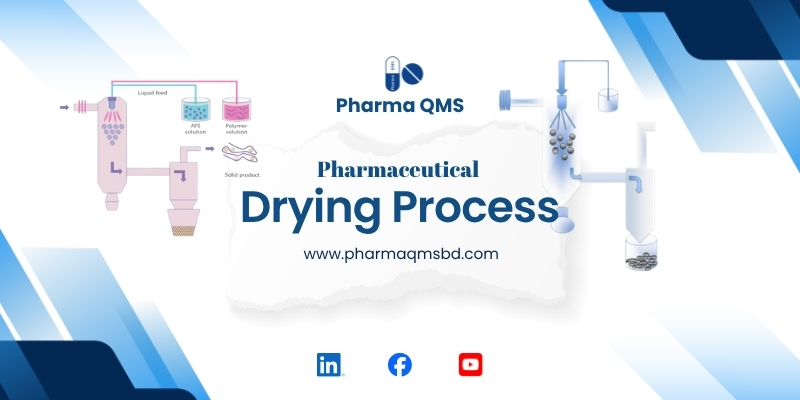
Pharmaceuticals Drying Process
Drying is essential for removing moisture from APIs to enhance stability and prevent degradation.
In the granulation process, drying is used to reduce moisture content in granules, ensuring proper flow and compressibility for tablet formulation.
Technology
Clinical Pharmacology of Adverse Drug Reactions
Type A (Augmented): Pharmacological effect, dose-dependent, occurs frequently, often detected in clinical trials.
Type B (Bizarre): Idiosyncratic, rare, not dose-dependent, serious, not detected in clinical trials.
Clinical Pharmacy
Adverse Drug Reactions and Interactions - Part 2
An Adverse Drug Reaction (ADR) is defined as "a response to a medicinal product that is noxious and unintended". ADRs range from minor symptoms to life-altering events, often leading to hospital admission, prolonged stay, morbidity, and increased costs. Diagnosis is challenging as ADRs can mimic underlying diseases or go unrecognized.
Clinical Pharmacy
Raw Material Test Method -Aceclofenac BP
Take about 0.1 gm of the sample in a clean and dry test tube. To it add 1 ml of acetone and mix. The solution should be clear without any suspended particles.
STP
Neuropathology: A Pharmacological Perspective
Neuropathology involves the systematic recognition of patterns that deviate from normal CNS architecture. For pharmacy students, understanding these patterns is crucial for anticipating drug targets, predicting therapeutic responses, and recognizing adverse drug effects on the nervous system.
Clinical Pharmacy
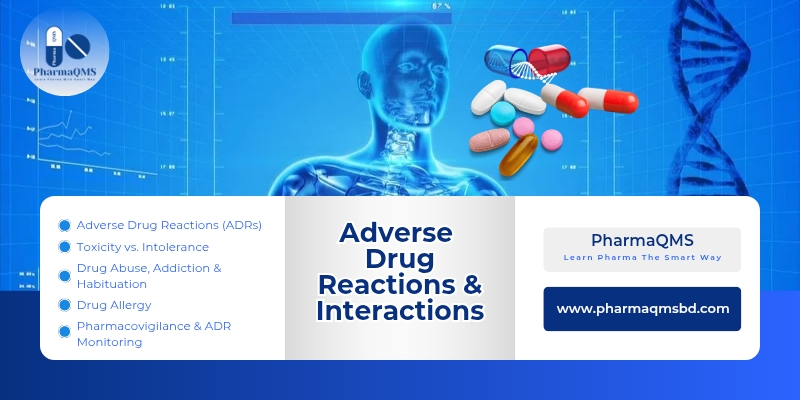
Adverse Drug Reactions and Interactions -Study Notes
Harmful or seriously unpleasant effects occurring at doses intended for therapeutic (prophylactic or diagnostic) effect which call for reduction of dose or withdrawal of the drug or indicate caution in future use of the same drug.
Clinical Pharmacy
Strategies to Meet Specific Needs in Community Pharmacy
Effective communication with diverse populations requires understanding general characteristics of specific groups while avoiding stereotyping individuals or making invalid assumptions based on group membership.
Hospital and Community Pharmacy
Medication Safety and Communication Skills in Community Pharmacy
Medication safety represents one of the most critical applications of communication skills in pharmacy practice. The Institute of Medicine's landmark report "To Err is Human" highlighted that medication-related errors are among the most prevalent errors in medical care, with communication failures identified as a leading contributing factor.
Hospital and Community Pharmacy
Helping Patients Manage Therapeutic Regimens in Community Pharmacy
Poor medication adherence contributes to approximately 125,000 deaths annually in the United States and accounts for up to 25% of hospital admissions among elderly patients. The economic burden exceeds $300 billion annually in avoidable healthcare costs.
Hospital and Community Pharmacy
Interviewing and Assessment - Community Pharmacy
Patient interviews serve as the foundation for all subsequent interventions. Accurate assessment of patient understanding, medication use patterns, therapeutic response, and perceived problems determines the appropriateness and effectiveness of any educational or clinical intervention.
Hospital and Community Pharmacy
Assertiveness of Community Pharmacists - Study Note
Assertive pharmacists take proactive roles in patient care, initiating communication rather than waiting for questions, conveying therapeutic recommendations to other professionals, and resolving conflicts directly while maintaining respect. This chapter explores how assertiveness transforms pharmacy practice from reactive to proactive.
Hospital and Community Pharmacy
Listening and Empathic Responding in Community Pharmacy - Study Note
Your ability as a pharmacist to provide patients with the sense that they are understood is crucial to your effectiveness. When patients feel genuinely heard, they experience reduced anxiety, increased trust, and improved adherence to therapeutic recommendations.
Hospital and Community Pharmacy
Introduction to Pharmaceuticals Regulatory Affairs
Regulatory affairs professionals serve as the bridge between science and law, translating complex scientific data into regulatory submissions while ensuring all activities comply with constantly evolving legal requirements across global markets.
Regulatory Affairs
Capsule - Pharmaceutical Solid Dosage Forms
Capsules are solid dosage forms with hard or soft soluble shells made from gelatin or other suitable materials, containing medicinal substances in solid, liquid, or semisolid form.
Technology
Barriers to Communication in Community Pharmacy Practice - Study Note
Interpersonal communication is inherently fragile due to its complexity and human involvement. Messages only become helpful when accurately received and understood; distorted or incorrect messages can harm patient care and damage relationships. The communication process involves five essential elements, with barriers often representing the most overlooked but critical component.
Hospital and Community Pharmacy