Aseptic Area
A comprehensive guide to the design, operation, and validation of controlled environments for sterile pharmaceutical manufacturing
Definition
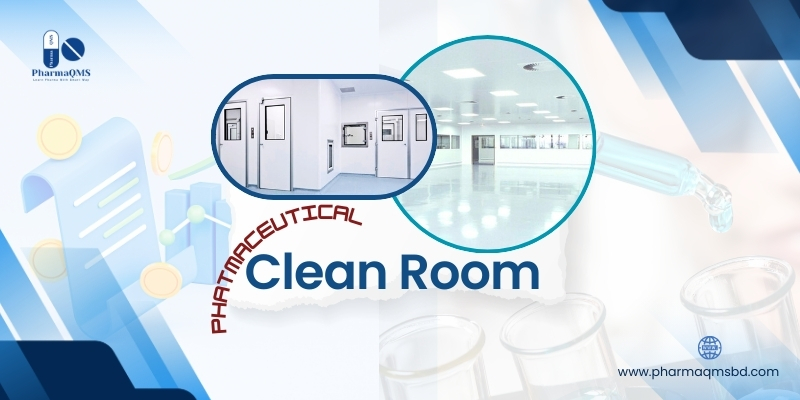
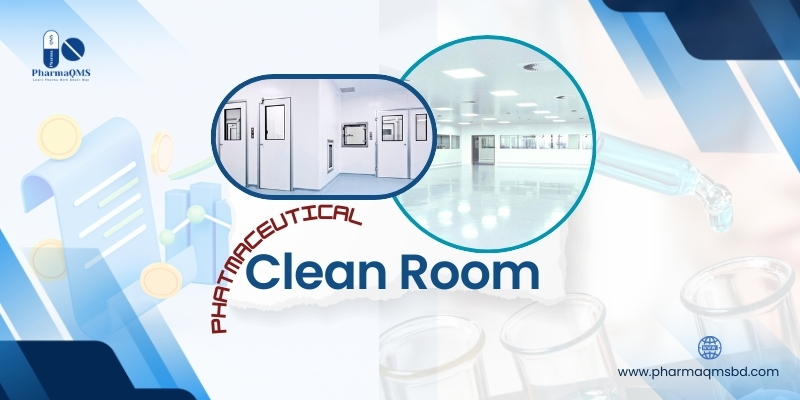
An aseptic area is a specially designed, controlled environment where sterile pharmaceutical products are prepared, filled, or handled without microbial contamination. It is a critical component of Good Manufacturing Practice (GMP) facilities for products that cannot be terminally sterilized.
Purpose of Aseptic Area
The primary objectives for establishing an aseptic area are:
- To prevent microbial contamination: Eliminate bacteria, fungi, and other microorganisms from the product environment.
- To prevent particulate contamination: Control airborne particles that could compromise product quality.
- To prevent pyrogen contamination: Avoid endotoxins that could cause fever in patients.
- To ensure product sterility and patient safety: Maintain the highest quality standards for sterile products.
- To provide an environment for products where terminal sterilization is not possible: Essential for heat-sensitive or radiation-sensitive pharmaceuticals.
Applications
Aseptic areas are utilized in the manufacturing of various sterile pharmaceutical products, including:
- Sterile injections: Intravenous (IV) and Intramuscular (IM) preparations
- Ophthalmic preparations: Eye drops, ointments, and other sterile ocular products
- Large Volume Parenterals (LVP): Sterile solutions in containers holding 100ml or more
- Vaccines: Both live attenuated and inactivated vaccines requiring sterile processing
- Biotechnology products: Monoclonal antibodies, recombinant proteins, and other biologics
Classification of Aseptic Areas (as per GMP/WHO/EU GMP)
Aseptic areas are classified into four distinct grades based on the required air cleanliness in terms of particles and microorganisms:
Grade A - Critical Zone
Highest cleanliness level for high-risk operations
Applications:
- Aseptic filling
- Container sealing
- Aseptic connections
Grade B - Background for Grade A
Clean environment surrounding Grade A zones
Applications:
- Preparation of solutions
- Filling area background
Grade C - Clean Area
For less critical stages of sterile manufacturing
Applications:
- Preparation of components
- Less critical processing steps
Grade D - Controlled Area
Basic clean area for initial stages of processing
Applications:
- Component washing
- Initial preparation stages
Grade A Specific Requirements
- Laminar Air Flow (LAF): Unidirectional airflow to protect the critical zone
- HEPA filtered air: High-Efficiency Particulate Air filtration with 99.97% efficiency at 0.3 µm
- Air velocity: 0.3–0.45 m/s to maintain unidirectional airflow
- Maximum particles (≥0.5 µm): 3,520 particles per cubic meter
- Microbial limits: No viable microorganisms should be present in the air sample
Design Features of Aseptic Area
1. Layout & Construction
- Smooth, non-porous walls and floors (easy to clean and disinfect)
- Rounded corners (coving) to prevent particle accumulation
- No cracks, ledges, or crevices where contaminants could harbor
- Epoxy or vinyl flooring (seamless and chemical-resistant)
- Minimal equipment and fixtures to reduce contamination risk
2. Air Handling System (HVAC)
- HEPA filters: 99.97% efficiency at 0.3 µm particle size
- Positive air pressure: Higher pressure inside to prevent infiltration
- Air changes: 20–40 per hour to maintain cleanliness
- Temperature control: 18–25°C for comfort and product stability
- Relative humidity: 40–60% to control microbial growth and static
3. Environmental Controls
- Continuous particle count monitoring
- Regular microbial monitoring (air, surfaces, personnel)
- Differential pressure monitoring between zones
- Temperature and humidity recording
- Alert and action level systems for deviations
Personnel Requirements
Personnel are the most significant potential source of contamination in aseptic areas. Strict controls are essential:
- Trained and qualified staff: Comprehensive training in aseptic techniques and GMP
- Minimum movement: Reduced activity to minimize air turbulence and particle generation
- Strict aseptic techniques: Proper hand hygiene, movement, and material handling
- Regular health checks: Monitoring for illnesses that could increase contamination risk
- Limited personnel: Only essential personnel allowed in critical areas
Personnel Gowning (Typical Requirements)
- Sterile coverall: Full-body protective garment
- Face mask: To prevent microbial exhalation
- Head cover: Complete enclosure of hair
- Sterile gloves: Regularly disinfected or changed
- Shoe covers/Boots: Dedicated footwear for clean area
- Goggles/Face shield: Eye protection when needed
Cleaning & Sanitation
Rigorous cleaning protocols are essential to maintain the aseptic environment:
- Validated disinfectants: Such as Isopropyl Alcohol (IPA) 70%, sporicidal agents
- Regular cleaning schedules: Daily, weekly, and monthly cleaning protocols
- Rotation of disinfectants: To prevent microbial resistance
- Fumigation or fogging: Using Hydrogen Peroxide (H₂O₂) or Formaldehyde for area sterilization
- Cleaning validation: Swab testing and microbial monitoring to verify effectiveness
- Documentation: Complete records of all cleaning activities
Equipment Used in Aseptic Areas
- Laminar Air Flow (LAF) Workstation: Horizontal or vertical airflow for critical operations
- Biosafety Cabinet: For handling potentially hazardous materials
- Isolators: Closed systems providing complete separation of operator from process
- Autoclave: For sterilization of equipment and materials
- Sterile Transfer Hatches (Pass Boxes): For transferring materials between areas without contamination
- Aseptic Filling Line: Automated systems for sterile product filling
- Differential Pressure Gauges: Monitoring pressure gradients between zones
Aseptic Area Validation
Comprehensive validation is required to ensure the aseptic area functions as intended:
- HEPA Filter Integrity Test: Dioctylphthalate (DOP) or equivalent testing
- Airflow Velocity Test: Verifying unidirectional airflow at 0.3–0.45 m/s
- Smoke Test: Visualizing airflow patterns and identifying turbulence
- Environmental Monitoring: Regular particle and microbial counts
- Media Fill (Aseptic Process Simulation): Using growth media to validate the entire aseptic process
- Temperature and Humidity Mapping: Ensuring uniform conditions throughout the area
- Pressure Differential Verification: Confirming proper pressure cascades
Advantages and Limitations
✅ Advantages
- Ensures sterility of products that cannot be terminally sterilized
- Significantly reduces contamination risk during manufacturing
- Essential for sensitive biological and pharmaceutical products
- Compliant with global regulatory standards (GMP, WHO, FDA, EU)
- Provides controlled environment for critical healthcare products
⚠️ Limitations
- High installation and maintenance costs
- Requires extensively trained and skilled personnel
- Continuous monitoring and validation required
- Energy-intensive due to HVAC requirements
- Limited flexibility for process changes once validated
Key Point
An aseptic area is a GMP-compliant controlled environment designed to maintain sterility during the manufacture of sterile pharmaceutical products. It requires integration of proper design, qualified personnel, validated processes, and continuous monitoring to ensure product safety and efficacy.
Aseptic Area Technical Guide | Based on GMP/WHO/EU Guidelines