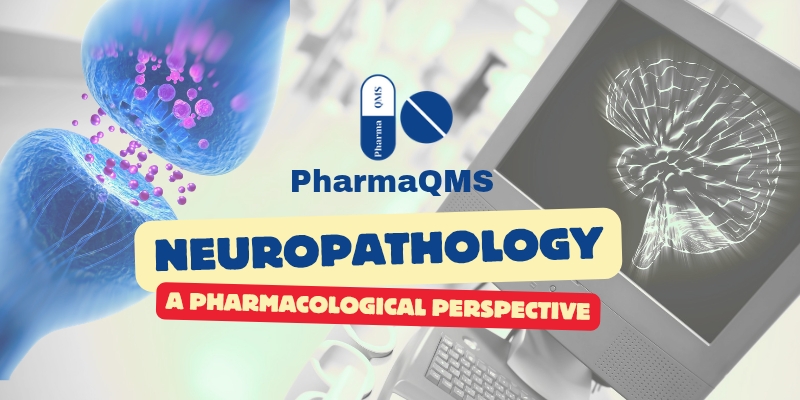
Neuronal structure is a key drug target. For example, drugs affecting neurotransmitter release from axon terminals (e.g., Botulinum toxin) or signal r ...
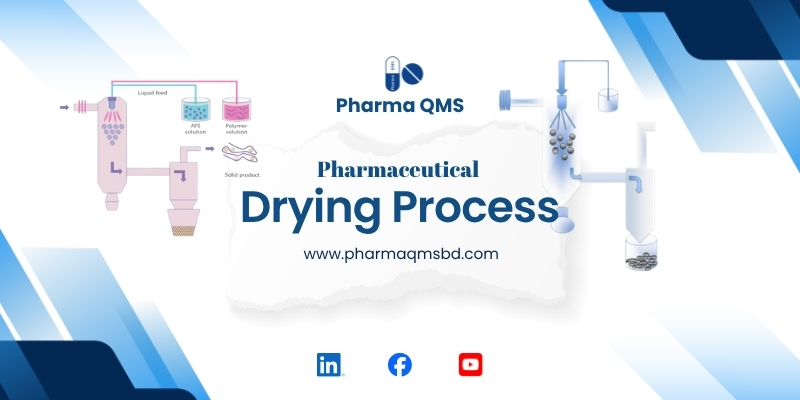
Drying is essential for removing moisture from APIs to enhance stability and prevent degradation.
In the granulation process, drying is used to reduc ...
Type A (Augmented): Pharmacological effect, dose-dependent, occurs frequently, often detected in clinical trials.
Type B (Bizarre): Idiosyncratic, ra ...
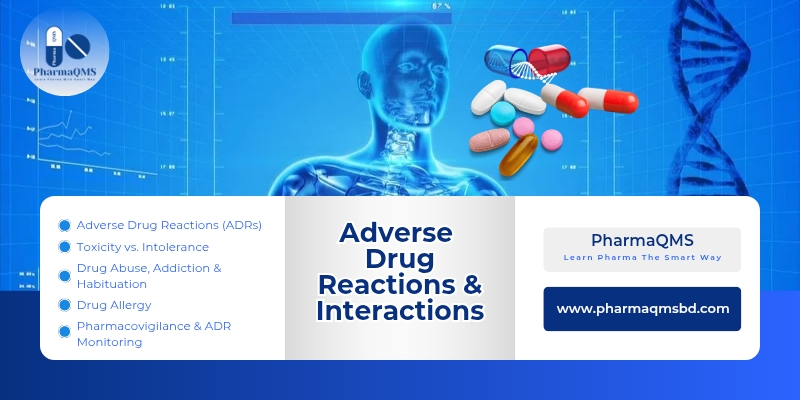
An Adverse Drug Reaction (ADR) is defined as "a response to a medicinal product that is noxious and unintended". ADRs range from min ...
Take about 0.1 gm of the sample in a clean and dry test tube. To it add 1 ml of acetone and mix. The solution should be clear without any suspended pa ...
Neuropathology involves the systematic recognition of patterns that deviate from normal CNS architecture. For pharmacy students, understanding these p ...
Harmful or seriously unpleasant effects occurring at doses intended for therapeutic (prophylactic or diagnostic) effect which call for reduction of do ...
Effective communication with diverse populations requires understanding general characteristics of specific groups while avoiding stereotyping individ ...
Medication safety represents one of the most critical applications of communication skills in pharmacy practice. The Institute of Medicine's land ...
Poor medication adherence contributes to approximately 125,000 deaths annually in the United States and accounts for up to 25% of hospital admissions ...