All Posts
0 posts
Isolators and RABS Technology for Pharmaceuticals Aseptic Processing
Restricted Access Barrier Systems (RABS) are intermediate technology between traditional cleanrooms and full isolators. RABS provide a physical barrier but typically allow more operator access than isolators while maintaining higher protection than open cleanrooms.
Production

Pharmaceuticals Sterile Dosage Forms and Aseptic Processing
Sterile products can be manufactured by two primary methods: 1) Terminal sterilization (product sterilized in final container) and 2) Aseptic processing (components sterilized separately then assembled under aseptic conditions). Aseptic processing carries higher risk and requires more stringent controls.
Production

Pharmaceuticals Solid Dosage Manufacturing Facility Design
Solid dosage forms, primarily tablets and capsules, represent the largest category of pharmaceutical products by volume. The design of facilities for manufacturing these products must balance efficiency, flexibility, contamination control, and regulatory compliance. Solid dosage manufacturing typically involves multiple unit operations that transform raw materials into finished dosage forms through various processing steps.
Production

PIC/S Classification System for Pharmaceutical Sterile Products
The Pharmaceutical Inspection Convention and Pharmaceutical Inspection Co-operation Scheme (PIC/S) is an international organization between pharmaceutical inspection authorities that aims to harmonize Good Manufacturing Practice (GMP) standards and promote mutual recognition of inspections. PIC/S develops and maintains the "Guide to Good Manufacturing Practice for Medicinal Products," with Annex 1 specifically addressing the manufacture of sterile medicinal products.
Production
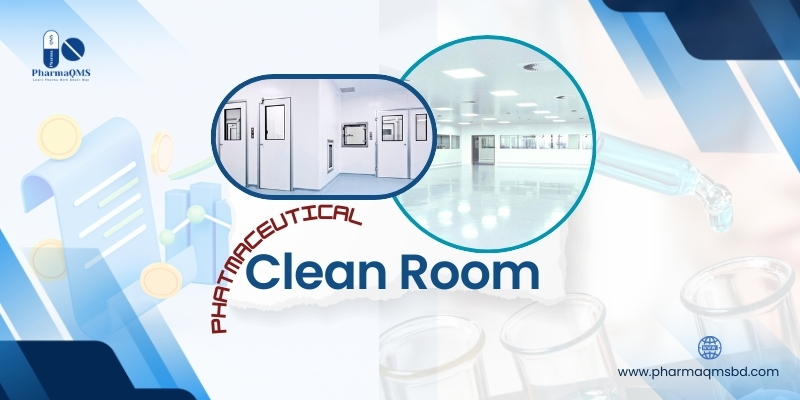
ISO Cleanroom Classification System in Pharmaceuticals
According to ISO 14644-1, a cleanroom is "a room in which the concentration of airborne particles is controlled, and which is constructed and used in a manner to minimize the introduction, generation, and retention of particles inside the room, and in which other relevant parameters (e.g., temperature, humidity, pressure) are controlled as necessary."
Production
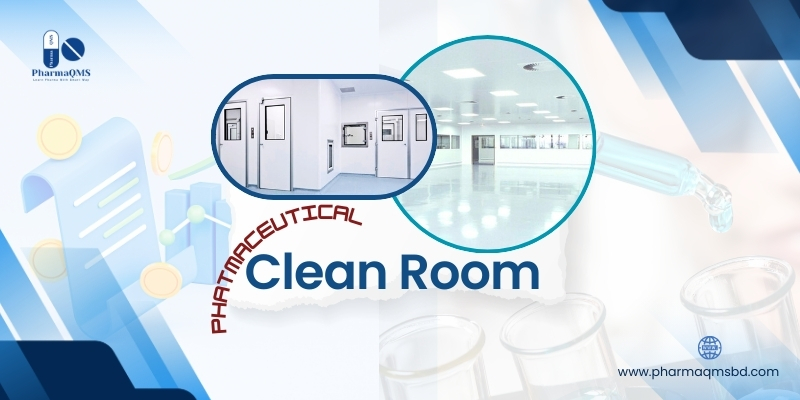
Cleanroom Classification and Design - Details
Cleanrooms are specially designed and maintained environments where the concentration of airborne particles is controlled to specified limits. They are essential in industries where microscopic contamination can adversely affect product quality, including pharmaceuticals, biotechnology, medical devices, semiconductors, and healthcare.
Production
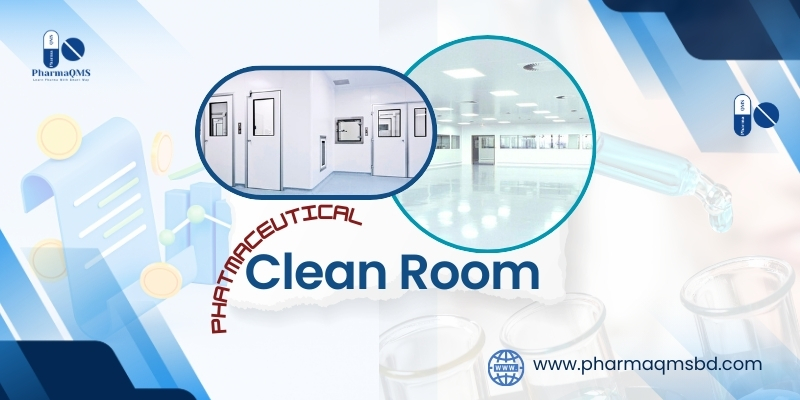
Cleanrooms and GMP Design of Pharmaceutical Facilities
Cleanrooms provide controlled environments where airborne particulate contamination is limited to levels appropriate for contamination-sensitive activities.
Cleanroom Definition
A cleanroom can be defined through two perspectives:
Production

Bill of Materials (BOM) Number in Pharmaceuticals
A BOM (Bill of Materials) number serves as a unique identifier for a specific set of materials associated with a Master Formula Record (MFR). This critical linkage ensures that every production batch follows the exact specifications documented in the MFR, which comprehensively outlines every ingredient, component, and process step required to manufacture a drug product.
Production

Pharmaceuticals Manufacturing Process (Tablet Compression)
A Quality by Design (QbD) approach to understanding tablet compression failures and preventing them through proper material, machine, and process control
Production

70% IPA is the Ideal Disinfectant in Pharmaceuticals
In pharmaceutical cleanrooms, laboratories, and aseptic
manufacturing areas, disinfection is not ju...
Production

Pharmaceutical Aseptic Area
Aseptic AreaA comprehensive guide to the design, operation, and
validation of controlled environmen...
Production

Pharmaceutical Tablet Compression with Defects
Tablet compression is the critical final step in solid dosage form manufacturing where granules are transformed into tablets. Even with excellent granulation quality, tablets can fail due to improper compression parameters, machine settings, or material-handling issues. Understanding the integration of Critical Material Attributes (CMA), Critical Process Parameters (CPP), and Critical Quality Attributes (CQA) is essential for robust tablet manufacturing.
Production